Input Material
Milled rice with mixed grain sizes
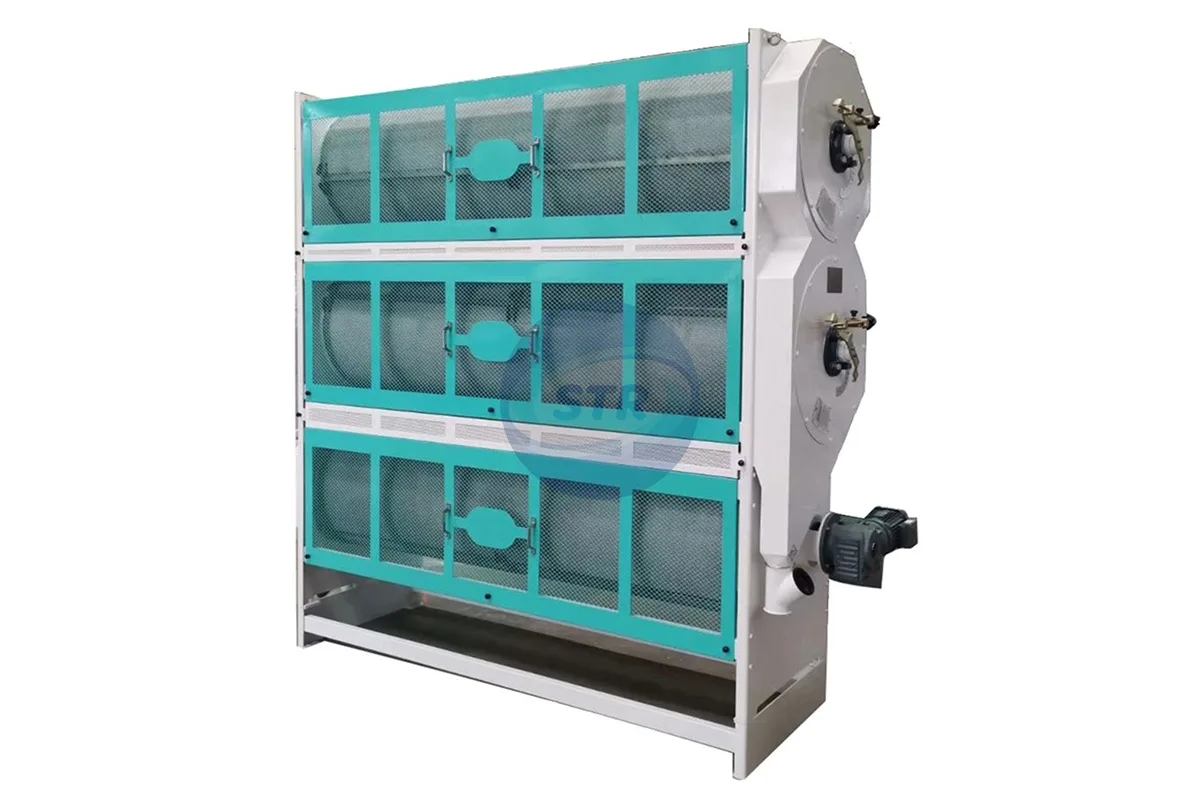
MMJM Large Combined Rotary Rice Grader: High-Capacity Classification. Designed for continuous commercial operation, this large-scale grader manages high-volume throughput to accurately separate broken grains from head rice, maintaining stable milling performance.
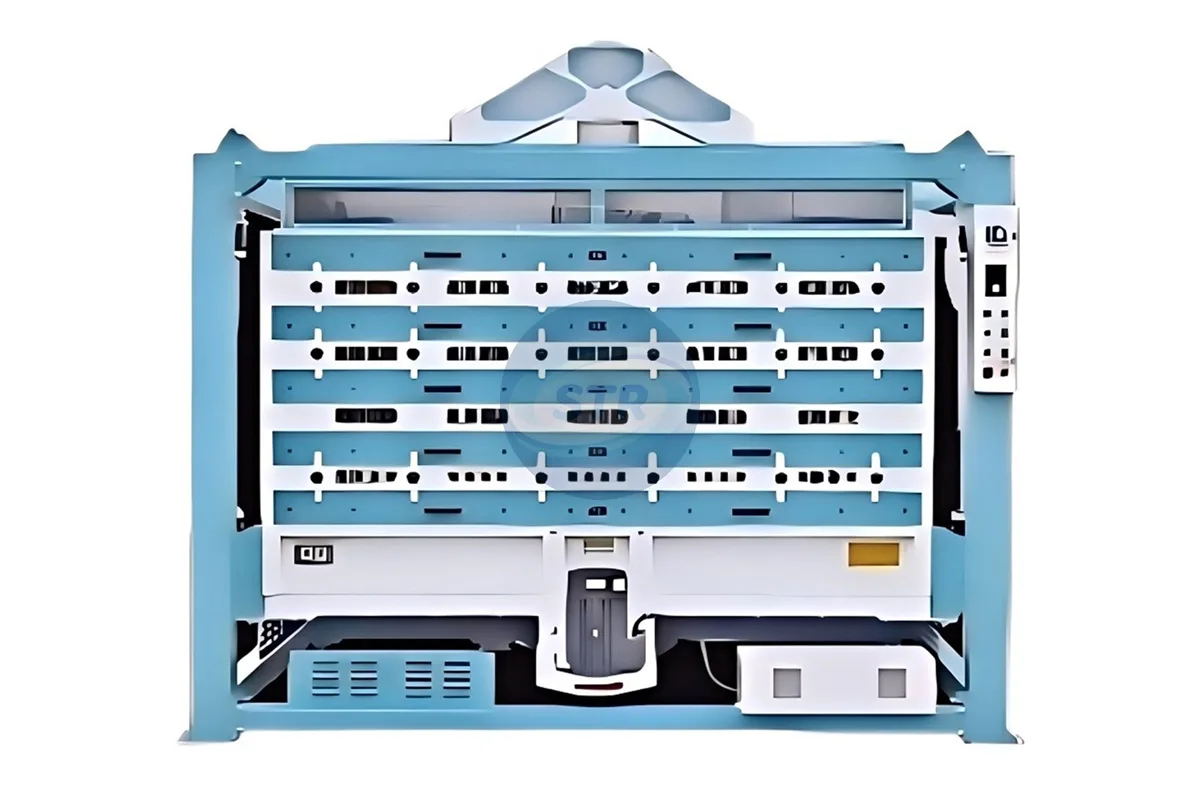
This complex-structure MMJM rotary rice grader is used for multi-layer, high-capacity rice grading where more precise separation of rice sizes is required. It is suitable for larger rice mills with higher finished-rice quality requirements.
See how finished rice is classified by size, length, thickness or color before packing.
Milled rice with mixed grain sizes
Length, thickness or rotary grading
Separated rice grades for color sorting or packing
Separates finished rice by size, shape or color so the final product can meet different market grades.
Separates whole rice, head rice and broken rice according to the selected screen or grading principle.
Reduces off-size, off-color or defective grains before final packing.
Helps produce different finished rice grades for wholesale, retail or branded rice sales.
Use screen, rotary or length/thickness separation to classify rice by size and broken ratio.
White rice enters the grading, sizing or sorting section.
The machine classifies rice by size, length, thickness or optical quality.
Head rice, broken rice, unsuitable kernels or defective grains are separated.
Qualified rice moves to packing, storage or further quality control.
Large combined MMJM rotary rice graders are used for higher-capacity finished-rice classification in industrial rice milling lines.
| Model | Capacity | Power | Air Capacity | Weight / Dimension |
|---|---|---|---|---|
| MMJM160×(5+1)-H5 | 8–10 t/h | 1.5 kW | 2100–2500 m³/h | 1900 kg; 2298×2166×2352 mm |
| MMJM200×(5+1)-H5 | 10–13 t/h | 2.2 kW | 2400–2800 m³/h | 2380 kg; 2571×2383×2447 mm |
| MMJM240×(5+1)-H5 | 13–16 t/h | 2.2 kW | 3300–3700 m³/h | 2990 kg; 2416×2988×2613 mm |
Select by the defect you need to remove: broken rice, size variation, length difference, thickness difference or color defects.
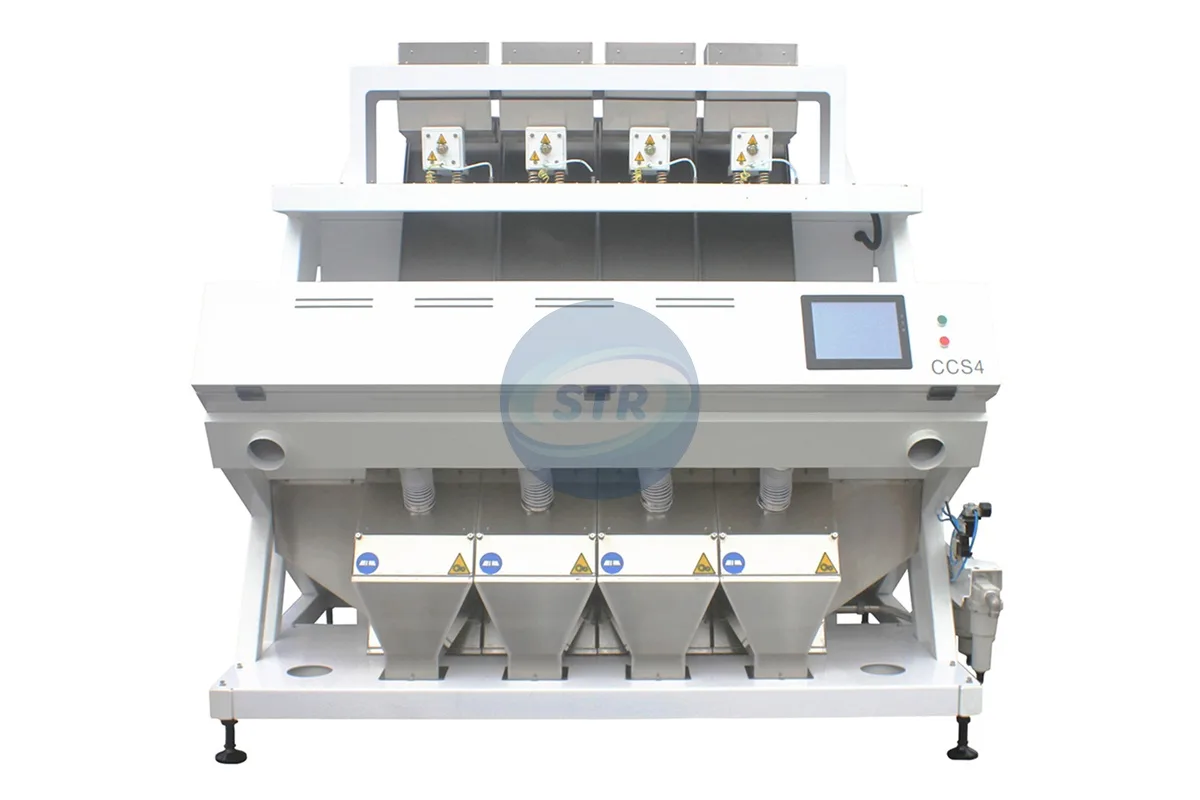
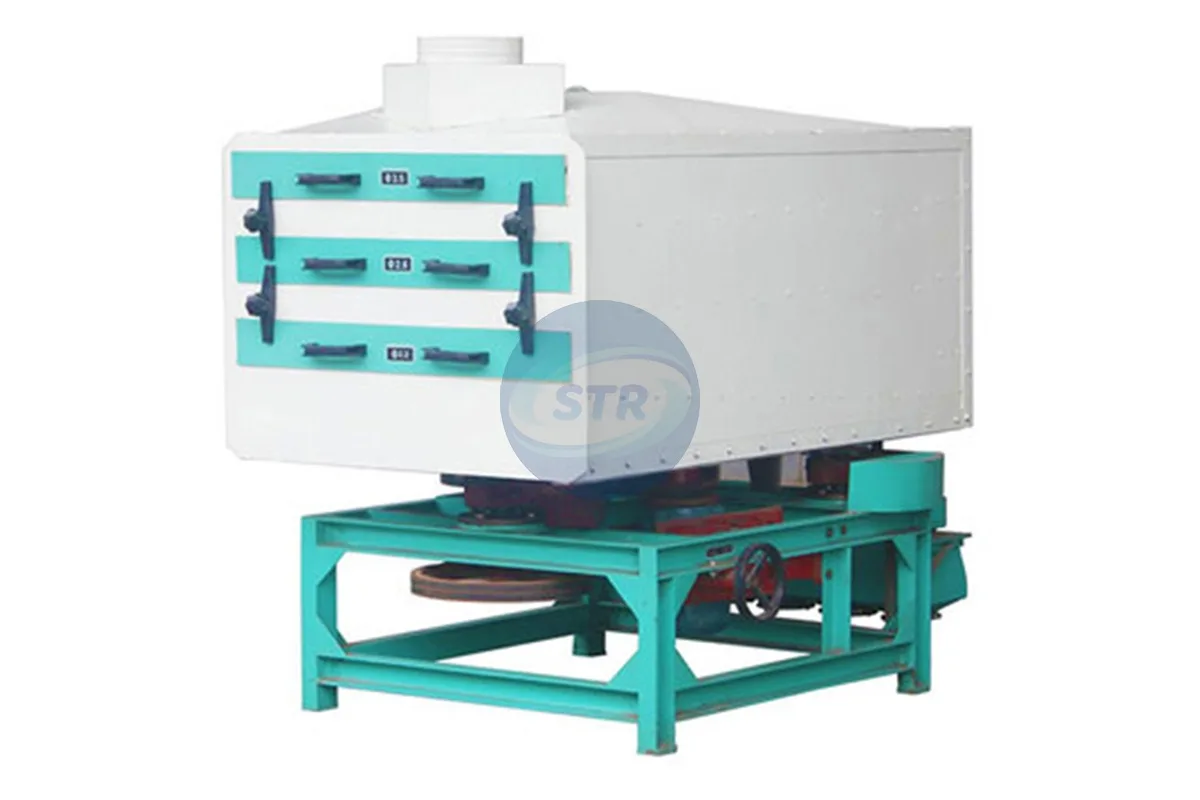
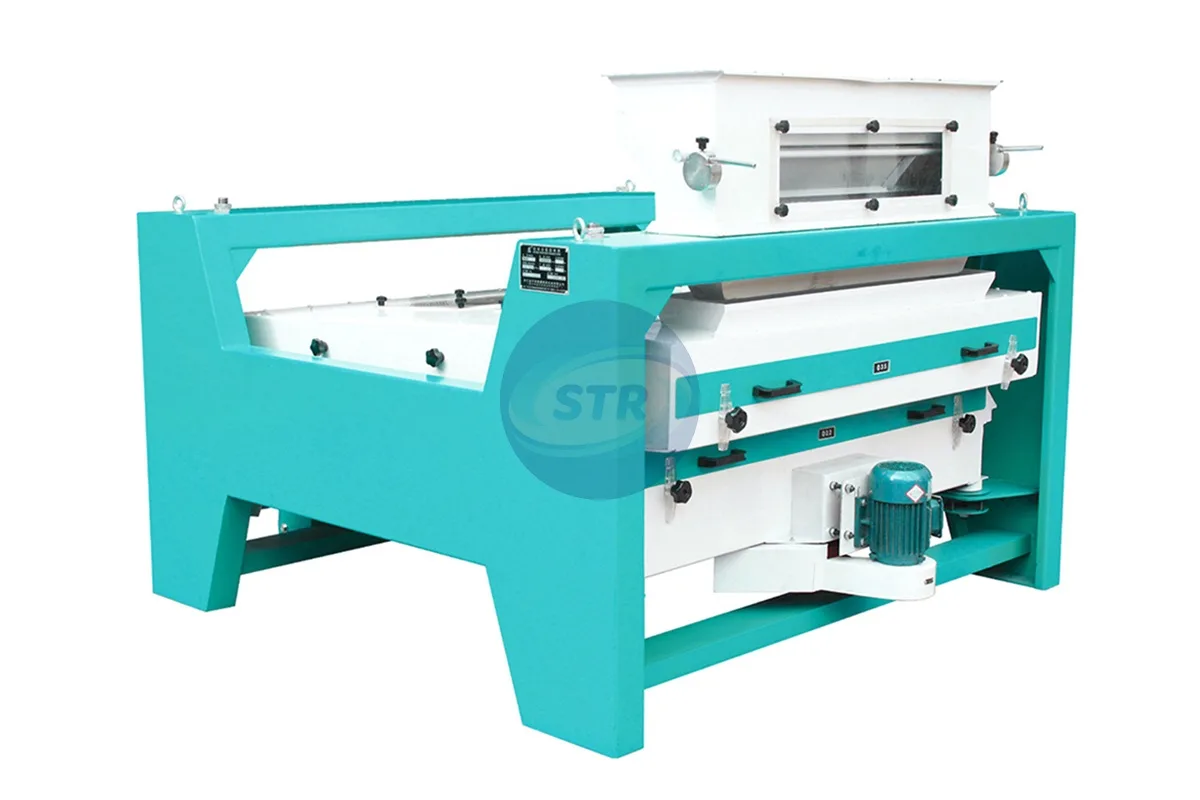
It separates broken rice and improves final product uniformity.
Color sorting is used when higher finished rice quality is required.
Yes, they are commonly used together before packing.
Share your finished rice standard, required capacity and defect types to configure grading and color sorting.